Endocrine Disruptors, Perimenopause & Menopause: What Every Woman Should Know
Perimenopause is already a time of big hormonal shifts, so it can be surprising — and honestly, a bit frustrating — to learn that chemicals in our everyday environment may also influence how we feel and even when menopause arrives. The good news is that understanding this connection is incredibly empowering. You can take steps that genuinely support your hormones, and most of them are simple, realistic changes rather than a full lifestyle overhaul.
In this article, we’ll explore what endocrine-disrupting chemicals (EDCs) are, how they interact with your hormones during perimenopause, what the research says about earlier menopause and symptom severity, and the practical steps you can take to protect your long-term health.
1. What Are Endocrine Disruptors?
Endocrine-disrupting chemicals are substances that interfere with your body's hormonal communication system — the endocrine system. Hormones act like tiny biochemical messengers, helping regulate your menstrual cycle, mood, metabolism, sleep, temperature and much more.
EDCs are found in many everyday products, including:
-
Plastics (BPA, BPS, BPF)
-
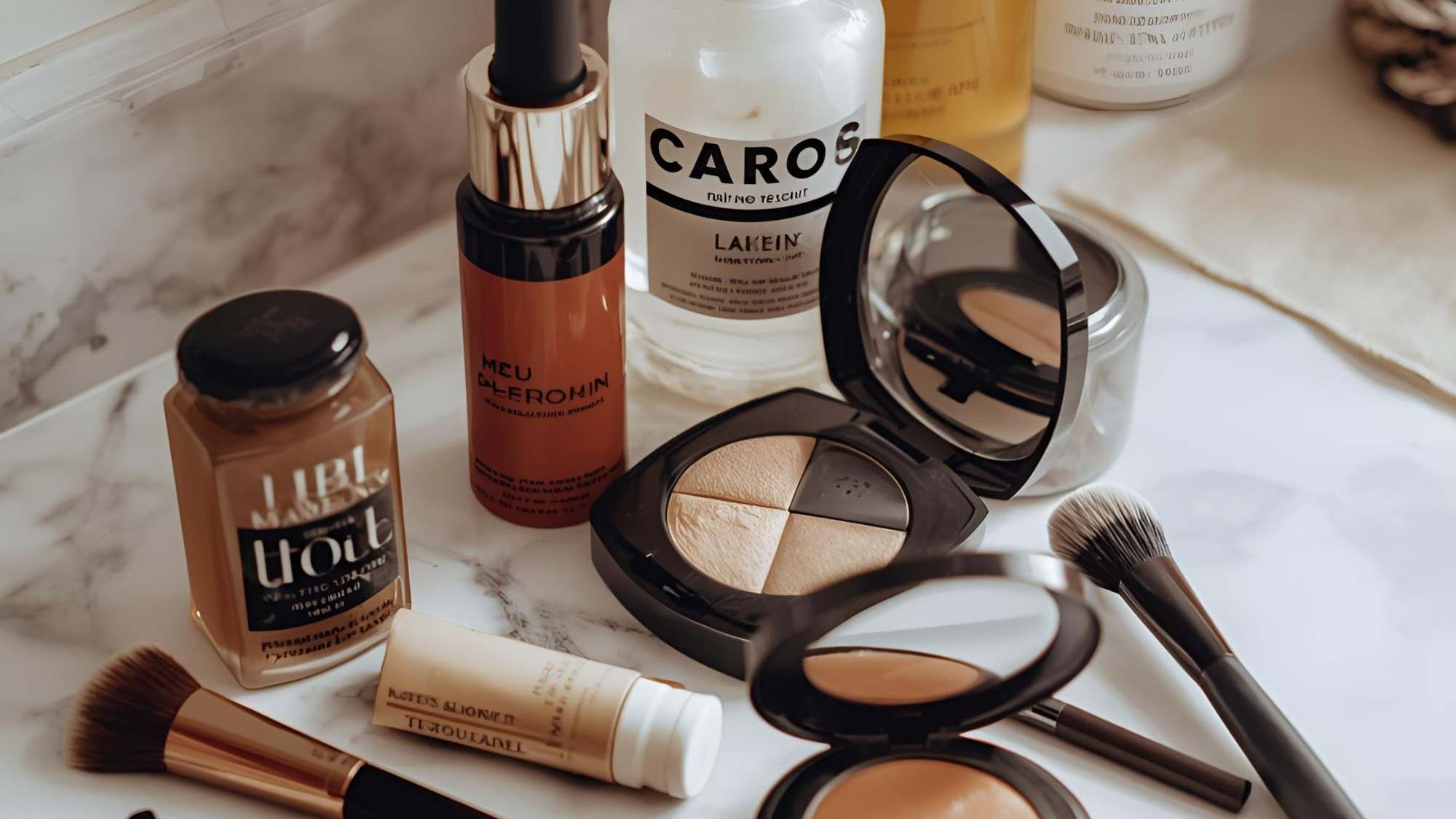
Fragranced personal care and cleaning products (phthalates, synthetic musks)
-
Non-stick cookware (PFAS, the “forever chemicals”)
-
Pesticides and herbicides
-
Heavy metals (lead, mercury, cadmium)
-
Household dust
-
Certain textiles and stain-resistant fabrics
-
Period underwear and waterproof clothing
-
Canned food linings
-
Contaminated water
You cannot avoid all exposure, but lowering your toxic load does support hormone balance.
2. How Do EDCs Affect Hormones During Perimenopause?
Perimenopause is a time when estrogen and progesterone fluctuate more dramatically. Because the hormonal communication system is already under strain, it becomes more vulnerable to disruption — and this is where EDCs can have a bigger impact.
a) They can mimic estrogen.
Chemicals such as BPA and parabens can attach to estrogen receptors — the “docking stations” where estrogen normally acts — sometimes creating extra estrogen-like effects in the body.
b) They can block or interfere with hormone receptors.
This can reduce the effect of your natural estrogen, progesterone or testosterone.
c) They can disrupt the brain–ovary communication pathway.
This is known as the HPO (hypothalamic–pituitary–ovarian) axis. Disruption here can influence cycle changes, ovulation, temperature control (hot flushes), sleep and mood.
d) They may damage ovarian follicles.
Studies show that BPA, phthalates and some persistent pollutants can increase oxidative stress — a form of cellular damage — in the ovaries. Over time this may reduce ovarian reserve, the number of remaining eggs.
e) They can disrupt thyroid and adrenal hormones.
These regulate energy, metabolism, temperature control, sleep and the stress response — all huge players in perimenopause symptom severity.
f) They increase inflammation and alter gene expression.
Some EDCs trigger inflammatory pathways or cause epigenetic changes (shifts in how genes are switched on/off). This can worsen common symptoms like brain fog, fatigue, mood instability and weight changes.
3. Do Endocrine Disruptors Cause Earlier Menopause?
Research consistently shows a clear pattern: women with higher exposure to certain endocrine-disrupting chemicals tend to reach menopause earlier.
In a large U.S. study of over 30,000 women, those with the highest levels of persistent organic pollutants (including pesticides, PCBs, dioxins/furans and phthalate metabolites) experienced menopause about 2–4 years earlier than women with lower exposure. (Grindler et al., 2015)
PFAS chemicals — found in non-stick cookware, stain-resistant fabrics, some food packaging and contaminated water — show the same trend. Women with higher PFAS levels were 1.4–2.1 times more likely to be perimenopausal or menopausal compared with those with lower levels. (Knox et al., 2011)
The strongest evidence comes from a study that followed premenopausal women over time. PFAS levels were measured before menopause began, and women with the highest levels reached menopause around 2 years earlier than those with the lowest levels. (Ding et al., 2020)
While the exact effect size varies across chemicals and individuals, the overall message is consistent: higher lifetime exposure to specific endocrine disruptors is associated with menopause occurring earlier than expected.
Why Early Menopause Is a Significant Health Issue
Early menopause has real and important health implications because it shortens the number of years your body is protected by estrogen — a hormone that plays a vital role in bone strength, heart health, brain function, and metabolic regulation. When estrogen is lost earlier than it should be, the long-term risks of osteoporosis, cardiovascular disease, cognitive decline, and mood disorders increase noticeably. This isn’t about creating anxiety; it’s about recognising that earlier estrogen loss carries measurable health consequences. Understanding this allows women to take proactive steps — through lifestyle, monitoring, and appropriate treatment — to protect their long-term health and quality of life.
4. What About Menopause Symptoms?
Evidence on symptoms is more limited, but one large study found that higher PFOS exposure was linked with lower estradiol levels in both perimenopausal and menopausal women. (Knox et al., 2011)
Lower estradiol is associated with:
-
More intense hot flushes
-
Night sweats
-
Mood changes
-
Poorer sleep
-
Vaginal dryness
-
Cognitive symptoms
Emerging research also suggests that EDCs may worsen vasomotor symptoms (flushes), mood instability and sleep — particularly in women already sensitive to hormonal fluctuations.
Anecdotally, many women who reduce fragrance exposure and switch to lower-tox cleaning and personal care products report:
-
better sleep
-
fewer night sweats
-
calmer mood
-
reduced irritability
This aligns with what we know about estrogen receptors, thyroid signalling and inflammation.
5. Where Are These Chemicals Coming From?
From your household air to your skincare products, EDCs often hide in places we don’t think to look:
Air & Home Environment
-
VOCs from freshly painted walls, new carpet or furniture
-
Air fresheners and scented candles
-
Household dust carrying flame retardants and pesticides
-
Mold spores in damp areas
Cleaning Products
-
Synthetic fragrance (“parfum”)
-
Bleach, ammonia
-
Harsh antimicrobials (triclosan)
-
Quaternary ammonium compounds
Plastics
-
Drink bottles
-
Food containers
-
Canned food linings
-
Receipts
-
Cling film
Cookware, Textiles & Clothing
-
Non-stick pans (PFAS)
-
Stain-resistant or waterproof fabrics
-
Period underwear treated with PFAS
Personal Care Products
-
Perfumes
-
Moisturisers
-
Makeup
-
Long-wear sunscreens
-
Hair products
Food & Water
-
Pesticide residues
-
Heavy metals in certain fish
-
Chlorine, PFAS and microplastics in tap water
6. Practical Ways to Reduce Exposure (Without the Overwhelm)
You don’t have to do everything at once. This is about realistic, sustainable change that fits your stage of life.
Start with the highest-impact swaps:
-
Go fragrance-free in cleaning and personal care products.
-
Filter your drinking water. Even a jug filter is a great first step.
-
Choose safer cookware (stainless steel, cast iron, ceramic).
-
Swap plastic drink bottles for glass or stainless steel.
-
Ventilate your home daily and vacuum regularly (dust carries many toxins).
-
Avoid heating food in plastic.
Then build gradually:
-
Use beeswax wraps or silicone bags instead of clingfilm.
-
Choose BPA-free canned foods.
-
Wash produce in water with baking soda.
-
Look for OEKO-TEX® Standard 100 bedding or natural materials.
A gentle reminder:
Reducing exposure is not about perfection. Even educators in this space don’t live “tox-free” lives. Your goal is simply to lighten your body’s load so your hormonal system has breathing room.
7. In Summary
The research is clear:
-
Certain endocrine-disrupting chemicals are associated with earlier menopause, often by 2–4 years.
-
Some EDCs are linked with lower estrogen, which can worsen symptoms.
-
They interfere with hormonal pathways that matter deeply during perimenopause.
-
Reducing exposure — even gradually — can support better sleep, mood, energy, temperature regulation and overall wellbeing.
And importantly, you don’t need to overhaul your whole home. Small, steady changes genuinely make a difference.
If you want some easy low-tox recipes, check out the free Nutrition and recipe hub for your guide to get started HERE.
References
-
Inman ZC & Flaws JA. Endocrine Disrupting Chemicals, Reproductive Aging, and Menopause. Reproduction. 2024.
-
Levine L & Hall JE. Effects of Endocrine Disrupting Chemicals on Menopause. Climacteric. 2023.
-
Grindler NM et al. Persistent Organic Pollutants and Early Menopause in U.S. Women. PLoS ONE. 2015.
-
Wu J et al. Endocrine-Disrupting Chemicals and Female Reproductive Aging. Semin Reprod Med. 2024.
-
Knox S et al. Implications of Early Menopause in Women Exposed to Perfluorocarbons. J Clin Endocrinol Metab. 2011.
-
Taylor KW et al. Polyfluoroalkyl Chemicals and Menopause. Environ Health Perspect. 2013.
-
Ding N et al. PFAS and Incident Natural Menopause. J Clin Endocrinol Metab. 2020.
-
Neff A et al. Environmental Contaminants and Reproductive Aging. Curr Environ Health Rep. 2022.
-
Aydemir D & Ulusu N. EDCs and Early Menopause. Front Endocrinol. 2023.
-
Petca A et al. EDCs and Female Fertility. Revista de Chimie. 2020.
-
Tricotteaux-Zarqaoui S et al. EDCs & Female Fertility Decline. Front Public Health. 2024.
-
Liang Y et al. EDCs and Epigenetic Regulation. Reprod Biol Endocrinol. 2025.
-
Afidarti N et al. Mitigating Exposure to EDCs. Caring Journal of Nursing Science. 2025.
Want my best free resources
Pop your name in and I will send you to my VIP resource page- more great gut tips included.
We hate SPAM. We will never sell your information, for any reason.