Hashimoto's, explained: what's actually happening in your thyroid, and how to support yourself
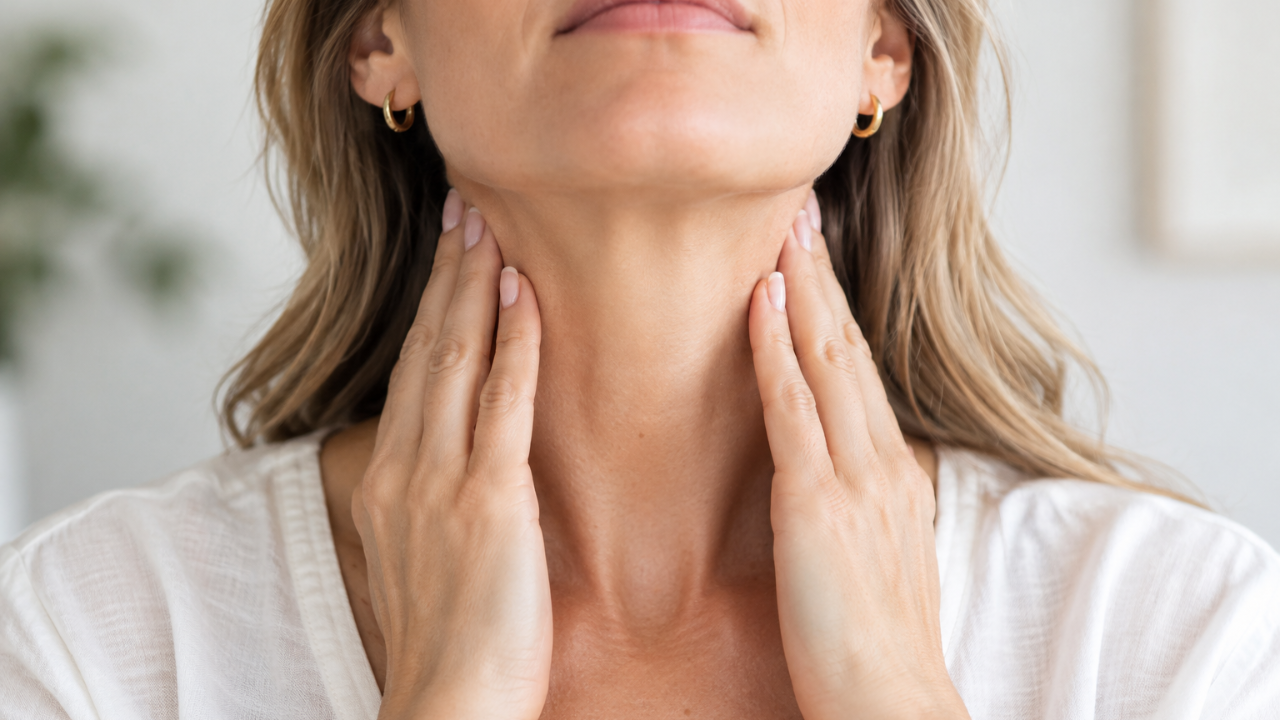
If you've just been told you have Hashimoto's, or an underactive thyroid, you're probably holding a prescription and a lot of unanswered questions. I see this all the time in clinic, and I want you to leave this page understanding what's going on in your body and what you can actually do about it.
And if you haven't been told anything yet, but something in you doesn't believe "normal", this is for you too. A woman came to see me recently who'd spent years being told it was in her head. Cold even in summertime, hair coming away in the shower, skin gone dry and dull, ridges on her nails, and a TSH of 4.1 that every doctor had called fine because the lab range runs to 4.2. Her antibodies told a different story. They showed Hashimoto's was already underway, and nobody had looked.
What is hypothyroidism, really?
Your thyroid is a small, butterfly-shaped gland at the front of your neck, and I think of it as the dimmer switch for your whole body. It makes two hormones, thyroxine (T4) and triiodothyronine (T3), that set the pace of almost everything: how quickly you burn energy, how warm you feel, how fast your heart beats, how your bowels move, how sharp your thinking is, and how your periods behave.
Hypothyroidism simply means the dimmer has been turned down. There aren't enough thyroid hormones reaching your cells, so everything runs a little slower and dimmer than it should.
Your brain controls the switch through a hormone called TSH (thyroid stimulating hormone). When thyroid hormones run low, the brain sends more TSH to try to turn the thyroid up. That's why a high TSH on a blood test is the first clue that the thyroid is struggling, often before T4 itself has dropped.
Why Hashimoto's is usually the reason
In countries with enough iodine in the food supply, the most common reason the dimmer gets turned down is Hashimoto's thyroiditis, an autoimmune condition. A 2025 review in JAMA puts it at up to 85% of all cases of hypothyroidism in those settings.
It's also a women's condition. Worldwide, about 7.5% of adults have Hashimoto's, and Australian studies sit at the higher end at around 11%. Depending on the study, women are affected between four and ten times more often than men. So if you've been diagnosed with hypothyroidism and nobody has mentioned Hashimoto's, it is worth asking whether your thyroid antibodies have been checked.
The mechanism: what Hashimoto's does to your thyroid
Here's the part most women are never told. In Hashimoto's, the problem doesn't start in the thyroid. It starts in the immune system.
The security team and the wrong photo
Your immune system is meant to be your security team. Its job is to recognise what belongs to you and leave it alone, and to remove what doesn't. To make thyroid hormones, your thyroid relies on two of its own proteins: thyroid peroxidase (TPO), the enzyme that attaches iodine to build the hormones, and thyroglobulin, the protein the hormones are stored in. Think of them as the thyroid's tools.
In Hashimoto's, the security team has been shown the wrong photo. It now believes those tools are an intruder, and it keeps turning up at the thyroid to remove them. Every visit takes a little of the gland with it.
What the damage looks like
What happens next is slow and quiet. Immune cells called lymphocytes move into the thyroid and settle there. One type of T cell (a white blood cell that directs the immune response) destroys thyroid cells directly. Other T cells release inflammatory chemical messengers (cytokines) that keep the attack going and make thyroid cells more likely to die off through apoptosis, the body's programmed cell death. The regulatory T cells that are supposed to calm all this down are fewer and less effective than they should be. Over years, the gland becomes scarred and shrinks, and it can no longer make enough hormone.
What the antibodies actually tell you
The antibodies your doctor measures, TPO antibodies and thyroglobulin antibodies, are best understood as evidence that this process is underway. They mark the autoimmune activity, and they can add to the damage, but the research points to the T cells as the main drivers of destruction.
This matters for two reasons. First, antibodies can be present for years before your TSH moves, which is why so many women are told their thyroid is "fine" while feeling anything but. Second, it's why lowering antibody numbers with a supplement doesn't automatically mean the underlying process has stopped. I'll come back to that.
Symptoms: what to look for
Because the dimmer controls so much, the symptoms are wide-ranging and easy to dismiss as "just life":
- fatigue and weakness that sleep doesn't fix
- feeling the cold when others don't
- weight gain that doesn't match what you're eating
- constipation
- dry skin, thinning hair, hair loss
- low mood, anxiety, irritability
- brain fog, poor memory, slower thinking
- heavier, irregular or absent periods
- puffiness, fluid retention
- raised cholesterol on a routine test
- a slow pulse, or a swelling at the front of the neck (a goitre)
If you're in your forties, read that list again. Fatigue, weight gain, mood changes, brain fog, poor sleep and cycle changes are also the classic symptoms of perimenopause, and thyroid disease in midlife women is regularly put down to "hormones" or "the change". I'll give perimenopause its own section below.
How it's diagnosed, and why it gets missed
The tests
The basic tests are TSH, free T4, and thyroid antibodies (TPO antibodies and thyroglobulin antibodies). A raised TSH with a normal free T4 is called subclinical hypothyroidism: the brain is having to shout at the thyroid, but the thyroid is still just managing. A raised TSH with a low free T4 means the thyroid can no longer keep up, and this is what most people mean by hypothyroidism. Positive antibodies with a normal TSH and T4 means the autoimmune process is present but the gland is still coping, and this stage can last a long time.
Why "normal" bloods don't settle it
TPO antibodies are found in a meaningful proportion of the general population, more often in women, and in many people they sit there for years before thyroid function changes. New Zealand guidance puts the rate at which people with subclinical hypothyroidism go on to full hypothyroidism at about 5% a year, and the higher the TSH and the antibody level, the faster the progression. But the course isn't a straight line. Some women with a mildly raised TSH drift back to normal, and in some people antibody levels change over time.
There's one more idea I want to put on your radar. Some of us use the term cellular hypothyroidism for women whose blood tests look normal but who have every symptom on the list. The thinking is that the thyroid is making enough hormone, but the hormone isn't getting into the cells and doing its job, and things like oxidative stress, low iron and B vitamins, insulin resistance and undereating are thought to play a part. It's a clinical idea rather than a laboratory diagnosis, but it's part of why I look beyond the TSH.
In practice, a single "normal" TSH, especially one taken in your forties when symptoms are being blamed on perimenopause, doesn't rule Hashimoto's out. If your symptoms fit and your TSH sits at the upper end of the range, asking for antibodies and a repeat test is reasonable. I've put together a separate handout on how to read your own thyroid results, including what each marker means and what questions to ask, and you'll find the link just below.
Take the handout with you
I have made a free printable to go alongside this article, called The Thyroid Check. It has the five thyroid numbers with the New Zealand lab ranges beside them and what I look for in clinic, the tests to ask for alongside, the words to use at your appointment, how to take thyroxine so it actually works, and how much iodine and selenium is really in a serving of everyday New Zealand food.
What triggers it: the drivers behind Hashimoto's
Nobody develops Hashimoto's for one reason. The simplest way to think about it is the tendency you were born with, plus the things life adds on top. Together, they tip the immune system into mistaking the thyroid for an intruder. Understanding the layers is useful, because some of them are in your hands.
Your genes
Family history is the strongest single risk factor. A large Korean population study found that having a parent, sibling or child with Hashimoto's raised the risk several-fold, and twin studies suggest that what you inherit accounts for most of the tendency. Many of the genes involved sit in the part of the immune system that decides what's "you" and what isn't. You can't change these, but knowing you carry the tendency helps explain why you might need to be more careful with the layers below.
Other autoimmune conditions
This is a link women often don't know about. Once your immune system has made one mistake of this kind, it's more likely to make another. Around one in five people with autoimmune thyroid disease has at least one other autoimmune condition, and the association gets stronger with age. In adults the most common companions are joint and connective tissue conditions such as rheumatoid arthritis, along with vitiligo, coeliac disease, type 1 diabetes, autoimmune gastritis (which affects iron and B12 absorption) and Addison's disease. It also runs the other way: having coeliac disease more than doubles the odds of autoimmune thyroid disease. If you have Hashimoto's, that's a reason for you and your doctor to keep an eye out for the others, and it's why some of the deficiencies I talk about below are so common.
Being a woman
Hashimoto's affects women far more often than men, and the research points to several overlapping reasons. Oestrogen can stimulate the B cells that make thyroid antibodies and nudge the immune system towards the inflammatory pattern seen in Hashimoto's. Women carry two X chromosomes, which hold many immune genes, and an uneven pattern of X-chromosome switching-off is found much more often in women with Hashimoto's than in women without it. Pregnancy shifts the immune system to protect the baby, and the rebound after birth is a recognised window for thyroid autoimmunity to appear.
Iodine, both too little and too much
Your thyroid needs iodine to make its hormones, but the relationship with autoimmunity is U-shaped: both deficiency and excess are associated with higher risk, and excess is the more consistently supported trigger for Hashimoto's specifically. When thyroglobulin carries too much iodine it starts to look foreign to the immune system, and excess iodine also generates oxidative stress inside the gland.
The other part of the picture swings the other way, and it's the part that matters here in New Zealand. Our soils are low in iodine, so locally grown food is too, and since 2009 commercially made bread has been fortified with iodised salt. That has improved the picture, but it hasn't fixed it for everyone: in a study of North Island women aged 50 to 70 after fortification, the group was still classed as mildly iodine deficient. So the goal is adequate, steady iodine from food, not high doses. Health New Zealand specifically warns that kelp and seaweed supplements have wildly variable iodine content and can push intake above the safe upper limit, and people with existing thyroid autoimmunity are the most sensitive to iodine excess.
Selenium deficiency
Selenium is needed for the enzymes that mop up the hydrogen peroxide your thyroid produces while making its hormones. When selenium is short, that peroxide damages thyroid cells and exposes their proteins to the immune system. A six-year study in China found that people living in a selenium-deficient area were several times more likely to develop new Hashimoto's than those in a selenium-adequate area. Again, this is a New Zealand issue: our food supply is low in selenium, and in the same study of North Island women, roughly half had selenium intakes below the estimated average requirement.
The gut
Women with Hashimoto's show measurable differences in their gut bacteria compared with healthy controls, with fewer of the protective, short-chain-fatty-acid-producing species and more of the ones associated with inflammation. They also show higher levels of zonulin, a marker of a more permeable gut lining ("leaky gut"). A large American cohort found that people diagnosed with small intestinal bacterial overgrowth (SIBO) were more than twice as likely to go on to develop Hashimoto's. The direction of cause and effect is still being worked out, since a sluggish thyroid can itself change the gut, but the thyroid-gut link is real and it's part of why I always ask about digestion.
Infections
Certain infections have been linked to Hashimoto's, most consistently hepatitis C and the stomach bacterium Helicobacter pylori, and more recently COVID-19, after which thyroid antibody positivity appears more common. The proposed explanation is molecular mimicry: a piece of the microbe looks enough like a piece of thyroid protein that the immune response to one spills over onto the other. The evidence here is uneven and mostly observational, so think of infections as one possible push among several rather than a single cause.
Stress, including old stress
This one deserves careful wording, because the evidence is mixed and I never want a woman to feel she caused this by being stressed. Long-term studies haven't shown that recent stressful life events cause new thyroid antibodies to appear. But there is consistent evidence that adverse childhood experiences, particularly emotional neglect and abuse, are more common in women with Hashimoto's, and that in large groups of women the risk of autoimmune disease rises with the number of adversities.
What we do know is that chronic stress keeps the stress-hormone system switched on, which shifts immune balance away from the calming regulatory T cells. If your history includes this, it's part of your picture, and it's a reason to take nervous-system support seriously as part of your care rather than an optional extra.
Body weight
Obesity is associated with a higher risk of Hashimoto's and of antibody positivity when studies are pooled, possibly through inflammatory signals from fat tissue, but genetic studies point the other way and the causal direction is unresolved. Hypothyroidism itself makes weight gain more likely, so please don't read this as blame. It's a loop, and both ends can be worked on.
Medications and radiation
Some drugs can trigger or unmask thyroid autoimmunity, including amiodarone (a heart-rhythm medicine that is very high in iodine), lithium, interferon, and the newer cancer immunotherapies. Radiation to the neck is an established cause of thyroid damage. These are worth knowing about if they apply to you, and your doctor will already be monitoring for them.
Environmental toxins and your thyroid
This is the question I'm asked most often, and the answer deserves more than a slogan in either direction.
What the research shows
A group of everyday chemicals called endocrine-disrupting chemicals, or EDCs, are consistently associated with altered thyroid hormone levels in adults. These include bisphenols (BPA and its replacements, used in plastics and receipts), phthalates (in soft plastics and fragrance), parabens (preservatives in cosmetics and skincare), triclosan (an antibacterial), PFAS (the "forever chemicals" in non-stick, stain-resistant and water-resistant products), and brominated flame retardants (in furniture foam and electronics). Across large population studies, higher exposure tracks with lower T4 and shifts in T3. In one 2026 study of chemicals found in personal care products, BPA, triclosan and parabens contributed most to lower T4 levels, with the effect partly explained by inflammation.
Whether these chemicals cause the autoimmunity itself is less settled. Most large studies haven't found a direct link between urinary phthalate, BPA or paraben levels and thyroid antibodies, but where signals do appear they tend to appear in women, and women who already have thyroid autoimmunity seem to respond differently to the same exposure.
Heavy metals are a stronger story. Lead has the most consistent evidence, with a 2025 pooled analysis finding around a two-and-a-half-fold higher odds of thyroid disorders. Cadmium, found in cigarette smoke and contaminated soils, is associated with thyroid antibodies in women but not men, which researchers attribute to it activating oestrogen receptors. Pesticides matter most for people who handle them: in a long-term study of tens of thousands of agricultural workers, several insecticides were associated with new hypothyroidism.
To put all of this in proportion, researchers estimate that everything that isn't genes, meaning diet, infections, stress, body weight and chemical exposures combined, contributes somewhere around a fifth to a third of the risk of thyroid autoimmunity. Chemicals are one slice of that, not the whole of it.
What you can do
These chemicals measurably affect thyroid hormone levels, women seem to be more sensitive to them, and the biggest exposures come from products you choose every day. That makes reducing your load a sensible lever, and one that's within your control. Most people are surprised by how many of these chemicals are sitting in their bathroom and under the kitchen sink.
The categories the research points at are the ones to start with: fragranced personal care products and cosmetics containing parabens and phthalates, plastics that come into contact with hot food, and non-stick and stain-proof coatings. You don't need to do a whole-house overhaul in a weekend. A sustainable way to do it is to swap to a lower-tox option each time something runs out, so that over a year your load comes down without the cost or the overwhelm of replacing everything at once.
Hashimoto's and perimenopause
This is the intersection I work in every day, so I want you to have the two things that matter most.
Midlife is when it gets missed
The prevalence of hypothyroidism rises significantly through the late menopausal transition and beyond. Because the symptoms are so similar, screening studies in perimenopausal women find surprisingly high rates of undiagnosed thyroid dysfunction, most of it subclinical.
The cost of missing it isn't trivial. Untreated thyroid disease in midlife is associated with higher cardiovascular risk, bone loss, low mood and cognitive complaints, all of which are then blamed on menopause. And the reverse mistake happens too, where a woman is started on menopausal hormone therapy for symptoms that were actually thyroid, and doesn't get better. The European Menopause and Andropause Society recommends a low threshold for thyroid testing in women with vague midlife symptoms, and I agree with them.
If you're on, or considering, menopausal hormone therapy
For most women this is now a non-issue, but it's worth knowing. The oestrogen in menopausal hormone therapy (MHT) is usually given through the skin these days, as a patch or gel, and that route has little or no effect on thyroid hormone levels. Oral oestrogen, meaning oestrogen taken by mouth as a tablet, passes through the liver first and increases the protein that binds thyroid hormone in the blood, and in one older study around 40% of women on thyroxine who started an oral tablet needed a dose increase. So if you happen to be on oral oestrogen, or you're switching between the two, just make sure your doctor knows about your thyroid and rechecks your TSH a couple of months after any change.
What you can do about it
Everything up to here has been about how Hashimoto's happens. From here on, it's about what you can do. Two parts: the medical side, and everything you can do alongside it.
Medical management of hypothyroidism
The standard treatment is levothyroxine, a synthetic form of T4, taken daily, with the dose adjusted against your TSH. It's effective, it's safe, and if your thyroid can no longer keep up on its own it's the foundation everything else sits on. I'll say plainly that no diet, supplement or herb has been shown to replace it.
Your dose may need adjusting over time, especially with weight change, pregnancy and as the gland loses more function. TSH is the marker used to guide dosing, not your antibodies. A small proportion of women feel unwell despite a normal TSH. If that's you, research has found that higher antibody levels go with more symptoms, although it isn't yet proven that the antibodies cause them, and this is where the supportive measures below can earn their place. Talk to your doctor about how often to check your levels, and about whether adding a free T3 to your tests would be useful for you.
Supporting yourself: lifestyle, nutrition, herbs and supplements
I've sorted this by the strength of the evidence, so you know where to put your energy first.
What the evidence supports best
A plant-forward Mediterranean way of eating. This has the most consistent support of any dietary approach, and the plant-based findings are some of the most interesting in the whole field.
In an Italian study, people with Hashimoto's ate meat, fish and dairy more often, and legumes, fruit, vegetables and nuts less often, than healthy controls. Researchers use scores to measure this kind of pattern: a Mediterranean diet score counts how many of the pattern's habits you follow, and an antioxidant score adds up how much protective plant chemistry is in what you eat. In that Italian study, following more Mediterranean habits was linked to lower odds of testing positive for thyroid antibodies. In an Iranian study, a diet higher in antioxidants was linked to lower odds of Hashimoto's and lower antibody levels.
Reviews also point to a large study of Seventh-day Adventists, in which vegans tended to have less underactive thyroid than meat-eaters, although that result wasn't statistically significant, and were significantly less likely to have an overactive thyroid. The explanation the reviewers give is oxidative stress: a diet high in animal fat and protein feeds inflammation and unsettles the gut bacteria, while plant foods rich in fibre and antioxidants do the opposite.
The trials so far are small. In a 12-week study of 40 women with Hashimoto's, with no comparison group, TPO and thyroglobulin antibodies, TSH and free T3 all improved on a Mediterranean diet, although the women also lost weight. A small randomised trial found free T3 rose most in the Mediterranean group compared with gluten-free or combined diets, and another found the Mediterranean pattern improved markers of oxidative stress in a way the gluten-free diet didn't, without changing antibodies or TSH. This is the same way of eating I recommend for perimenopause, so you're not being asked to eat two different ways.
Iron and ferritin. Thyroid peroxidase, the enzyme at the centre of hormone production, needs iron to work, and iron deficiency is common in women with Hashimoto's, partly because autoimmune gastritis and coeliac disease travel with it. Pooled studies find iron deficiency associated with lower thyroid hormone levels and more antibody positivity, and in women with persistent symptoms despite thyroxine, symptoms improved after months of iron repletion, particularly once ferritin was restored to a healthy level. This is the single most common finding I make in women who are "treated but still tired".
Vitamin D. Women with Hashimoto's tend to have lower levels. In pooled studies, correcting a deficiency for at least three months lowers antibodies, and one meta-analysis also found improvements in thyroid hormone levels, but a placebo-controlled trial found no change, and none of these studies looked at how women feel. So correct a deficiency for your bones and general health, but don't expect vitamin D alone to change the course of Hashimoto's.
Selenium. Selenium has the largest evidence base of any supplement, and the picture is more nuanced than the wellness world suggests. Across many trials, selenium consistently lowers TPO antibodies, and modestly lowers TSH in people not yet on thyroxine. The effect is largest in those with high antibody levels and those who are selenium-deficient to begin with, and the selenomethionine form appears to work better than others.
But the largest and best-designed trial, with over 400 participants followed for a year, found that selenium and placebo improved quality of life equally, and selenium didn't reduce the thyroxine dose needed. A 2026 study of people who took selenium without being deficient found higher antibodies and TSH over five years, and a signal of harm. Selenium is also toxic at high amounts, so this is one to take with care and to talk through with your doctor, ideally with a blood level to guide it. For New Zealand women my reading is straightforward: our intakes are marginal, so testing and correcting a deficiency is sensible and may help; taking high doses blindly when you're replete is not.
Food is a good place to start. Brazil nuts are the one plant food that's reliably rich in selenium, and a 2025 trial found that a small daily amount of Brazil nut butter raised selenium levels in vegans and meat-eaters alike. The catch is that the amount varies so much between nuts that a single nut can hold more than a day's needs, so enjoy one now and then rather than daily. If you're wondering about your selenium, ask your GP about checking your level first.
Iodine. If you're buying salt, iodised salt is the one to choose, and commercially made bread in New Zealand is fortified with it. You can also add a little iodine from food: a couple of sheets of nori a few times a week gives a modest amount, roughly 50 to 200 micrograms depending on the batch, against a recommended daily intake of around 150 micrograms for adults. Nori is one of the lower-iodine seaweeds, which is exactly why it's a safer choice than kelp, kombu or seaweed tablets, where the iodine content can be many times higher and extremely variable. If you're pregnant or breastfeeding, the Ministry of Health recommends a specific iodine-only supplement, and your doctor or midwife will guide you.
Stress management deserves a real place in your care. In a randomised trial of 60 women with Hashimoto's, an eight-week stress management programme reduced thyroglobulin antibodies alongside stress, depression and anxiety, compared with usual care. Given what we know about the stress-hormone system and immune balance, this is one of the best-value things you can do.
Movement. Regular, non-excessive exercise is associated with lower TPO antibodies in women with Hashimoto's, and higher-intensity activity time was linked to lower antibody levels after adjusting for other factors. The caveat is in the word non-excessive: overtraining is a physical stressor. For most of my patients that means a mix of walking, resistance training and something that gets you breathless a few times a week, built up gradually.
Sleep and rhythm. Shift work and circadian disruption alter thyroid hormone levels when studies are pooled, although they haven't been shown to cause antibodies. Protecting your sleep is part of protecting your dimmer switch.
Promising but early
Myo-inositol with selenium. Myo-inositol is a sugar-like compound involved in TSH signalling. A pooled analysis of three trials in women with Hashimoto's and subclinical hypothyroidism found the combination lowered TSH more than selenium alone, with some evidence of a fall in thyroglobulin antibodies and improved wellbeing. Small trials, short durations, but a signal I find interesting for the subclinical stage.
Black seed (Nigella sativa). In a randomised, placebo-controlled trial of 40 women with Hashimoto's, eight weeks of black seed powder lowered TSH and TPO antibodies and raised T3, with improvements in weight and lipid markers in the same group. It's a single small trial with mild side effects reported, so I'd describe this as promising rather than proven.
Turmeric (curcumin). A 2025 double-blind trial of 57 people with Hashimoto's found curcumin taken alongside an anti-inflammatory diet reduced TPO antibodies compared with placebo, though TSH and T3 didn't change significantly between groups. Again, one trial, so I'd see this as promising rather than proven.
Ashwagandha (Withania somnifera). This herb is popular for stress, and there's a small placebo-controlled trial in people with subclinical hypothyroidism (not Hashimoto's specifically) in which it improved TSH, T3 and T4 over eight weeks. A pooled analysis across many trials found only a small effect on T4. Two cautions: it can nudge thyroid hormones up, which matters if you're already on thyroxine, and there are case reports of painless thyroiditis after taking it. It can also interact with some medications, so it's best to discuss it with your doctor and have your TSH rechecked if you use it.
Calorie restriction. A 2026 randomised trial found a calorie-restricted diet sharply reduced both thyroid antibodies and improved symptoms in proportion to the antibody drop. I include it because the result is striking, but I'd be cautious: chronic undereating is itself a stressor on the thyroid, and this needs to be done with supervision, not a crash diet. If you have a history of disordered eating, this isn't an approach for you, and your doctor can help you find a gentler way to support your thyroid.
Probiotics. A double-blind trial found probiotics added to nutritional education improved quality of life across many domains, without changing antibodies. Given the gut findings above, feeding your gut bacteria with fibre-rich plant foods makes sense for everyone with Hashimoto's; which specific probiotic strains help is still being worked out.
Autoimmune Protocol (AIP) and elimination diets. A small 10-week pilot of a supported AIP programme produced large improvements in symptoms and quality of life and a fall in inflammation, but no change in thyroid function or antibodies, and it's impossible to tell how much came from the diet versus the coaching, sleep and stress support that went with it. A separate AIP study actually saw antibodies rise. These diets are very restrictive, and my concern is nutritional adequacy and your relationship with food. If you try one, do it as a short, supervised experiment, not a lifestyle. If you have a history of disordered eating, elimination diets like this aren't a good fit, so please talk to your doctor before trying one.
Popular, but the evidence is thinner
Going gluten-free. I know this is the one everyone's been told to do. In women with Hashimoto's who don't have coeliac disease, the pooled trial evidence is mixed. One analysis found small improvements in TSH and free T4, another found no reliable change, and the antibody results are inconsistent, with one pooled analysis finding TPO antibodies actually rose. One trial even found that a gluten-free diet blunted the antibody-lowering effect of vitamin D.
Where it does seem to help is digestive comfort in women with gluten sensitivity. And because coeliac disease is one of the autoimmune conditions that clusters with Hashimoto's, it's worth being tested for it before you remove gluten (the test only works while you're eating it). If gluten clearly upsets your gut, avoiding it is reasonable. If it doesn't, you don't need to.
L-tyrosine. Tyrosine is one of the building blocks of thyroid hormones, which is why it's sold for thyroid support, but there's no trial showing it helps on its own, and the only human data comes from a multi-ingredient product. It's not dangerous; it's just not evidence-based for this.
High-dose iodine and kelp. The iodine content of kelp and seaweed tablets is too unpredictable, and too much iodine can work against your thyroid, so these are best left on the shelf.
Outcomes and remission: what "getting better" can realistically mean
I want to be straight with you here, because the internet promises reversal and the research is more nuanced, and I think the truth is actually more encouraging than the hype.
Antibodies
Full remission, meaning the autoimmune process switches off and antibodies disappear, is uncommon. In a long-term study of people on thyroxine, TPO antibodies fell in the large majority (by about 45% at one year and 70% at five years), but became fully negative in only about one in six. Antibody decline also doesn't track neatly with thyroid function, which is another reason repeated antibody testing isn't used to judge progress.
Your own thyroid function
Recovery of your own thyroid function is more common than people expect. When studies where thyroid hormone was stopped are pooled, roughly a third of people stayed euthyroid, meaning their own thyroid kept up. The odds were much better when the diagnosis had been subclinical, the starting TSH was lower, and the ultrasound looked closer to normal. Being antibody-positive reduced the odds considerably. In older studies specific to Hashimoto's, around one in five people who'd become hypothyroid recovered enough function to stay off thyroxine for years. And in a large group of people who'd been started on thyroxine without a strong reason, most stayed well without it, which tells you that not everyone on thyroxine needed to be.
Where diet, supplements and lifestyle fit
None of the trials so far has tested whether they can get someone off medication for good. What they do show is that antibodies can come down, inflammation can come down, and, most importantly, women feel better. In women whose TSH is normal, higher antibody levels go with worse symptoms and a lower quality of life, although it isn't proven that one causes the other. Some of the trials above improved how women felt even when their antibodies didn't change.
So here's how I'd frame it. The security team may keep turning up, but you have real influence over how often they're called and how much damage they do while they're there. Catching Hashimoto's at the antibody-positive or subclinical stage, correcting your iron, selenium, vitamin D and iodine, eating a plant-forward Mediterranean pattern, taking stress and sleep seriously, reducing your chemical load, and moving your body regularly won't switch the process off. Together, they may help support how your thyroid works over time, and they give you the best chance of feeling like yourself while it does.
When to see your doctor
- You have several symptoms from the list above and haven't had your thyroid tested, or your last TSH was "normal but high" and you're still not right.
- You've been diagnosed with hypothyroidism and have never had thyroid antibodies checked.
- You have Hashimoto's and you're planning pregnancy, are pregnant, or have recently given birth.
- You're wondering whether you still need thyroxine. Never stop or lower it on your own. Your doctor can plan a supervised trial off it if that's appropriate.
- You're starting, stopping or changing menopausal hormone therapy, especially oral oestrogen.
- You've started any herb or supplement that acts on the thyroid, so your TSH can be rechecked.
- You've had a significant weight change, a new medication, or your symptoms have shifted.
- You have a new lump or swelling in your neck, difficulty swallowing, or a change in your voice.
- You have Hashimoto's and are feeling low, anxious or unable to cope. This is common, it's treatable, and it's part of the condition, not a personal failing.
The bottom line
Your thyroid is the dimmer switch for your whole body, and in Hashimoto's your immune system has been shown the wrong photo and keeps turning that switch down, a little at a time. You didn't cause it, and you can't simply will it away.
But this is the part I most want you to take away: a diagnosis of Hashimoto's is not a sentence to swallow a tablet every morning and hope for the best. The medication matters, and if your thyroid can no longer keep up it's the foundation. It is not the whole plan. Much of the rest is in your hands. Getting it recognised early, especially in your forties. Finding and correcting the iron, selenium, vitamin D and iodine shortfalls that so many New Zealand women carry without knowing. Eating in a way that calms inflammation instead of feeding it. Taking your sleep, your stress and your nervous system seriously. Moving your body. Lowering your chemical load one swapped product at a time.
And here's what I love about this list. Not one of those things works on your thyroid alone. The same choices that support your thyroid also lower inflammation throughout your body, feed a healthier gut, steady your blood sugar, protect your heart and bones, and make perimenopause easier to live through. You're not adding a list of chores to your life. You're building the ground that lets you feel like yourself again.
If you'd like a simple guide to reading your own thyroid results, and how to eat for your thyroid, I've put one together for my patients. Tap the button below and I'll send it straight to you. And if you'd like personalised support with Hashimoto's or your thyroid in perimenopause, I'd love to help. You can book a consultation here.
Take this to your appointment
Reading it is one thing. Walking in with the numbers in your hand is another. The Thyroid Check is my free printable: the five thyroid tests with New Zealand ranges and what I look for, the deficiency checks to ask for alongside, the exact words to use, the thyroxine rules, and how to eat for your thyroid with real New Zealand food numbers.
Feel heard. Feel in control. Feel like yourself again.
Dr Taisia Cech
This article provides general educational information and is not personalised medical advice. Results vary between individuals. Please consult your healthcare provider before making changes to your treatment, especially if you have medical conditions, take medications, or are pregnant.
References
- Chaker L, Papaleontiou M. Hypothyroidism: a review. JAMA. 2025;334(19):1750. doi:10.1001/jama.2025.13559
- Hu X, Chen Y, Shen Y, Tian R, Sheng Y, Que H. Global prevalence and epidemiological trends of Hashimoto's thyroiditis in adults: a systematic review and meta-analysis. Front Public Health. 2022;10:1020709. doi:10.3389/fpubh.2022.1020709
- Klubo-Gwiezdzinska J, Wartofsky L. Hashimoto thyroiditis: an evidence-based guide to etiology, diagnosis and treatment. Pol Arch Intern Med. 2022;132(3):16222. doi:10.20452/pamw.16222
- Taylor PN, Medici MM, Hubalewska-Dydejczyk A, Boelaert K. Hypothyroidism. Lancet. 2024;404(10460):1347-1364. doi:10.1016/S0140-6736(24)01614-3
- Chaker L, Razvi S, Bensenor IM, et al. Hypothyroidism. Nat Rev Dis Primers. 2022;8(1):30. doi:10.1038/s41572-022-00357-7
- Ludgate ME, Masetti G, Soares P. The relationship between the gut microbiota and thyroid disorders. Nat Rev Endocrinol. 2024;20(9):511-525. doi:10.1038/s41574-024-01003-w
- Wrońska K, Hałasa M, Szczuko M. The role of the immune system in the course of Hashimoto's thyroiditis: the current state of knowledge. Int J Mol Sci. 2024;25(13):6883. doi:10.3390/ijms25136883
- Zhang QY, Ye XP, Zhou Z, et al. Lymphocyte infiltration and thyrocyte destruction are driven by stromal and immune cell components in Hashimoto's thyroiditis. Nat Commun. 2022;13(1):775. doi:10.1038/s41467-022-28120-2
- Ralli M, Angeletti D, Fiore M, et al. Hashimoto's thyroiditis: an update on pathogenic mechanisms, diagnostic protocols, therapeutic strategies, and potential malignant transformation. Autoimmun Rev. 2020;19(10):102649. doi:10.1016/j.autrev.2020.102649
- Dayan CM, Daniels GH. Chronic autoimmune thyroiditis. N Engl J Med. 1996;335(2):99-107. doi:10.1056/NEJM199607113350206
- Biondi B, Cappola AR, Cooper DS. Subclinical hypothyroidism: a review. JAMA. 2019;322(2):153-160. doi:10.1001/jama.2019.9052
- Peeters RP. Subclinical hypothyroidism. N Engl J Med. 2017;376(26):2556-2565. doi:10.1056/NEJMcp1611144
- Tarighat-Payma M, Mehran L, Masoumi S, et al. Long-term natural history of thyroid peroxidase antibodies in a population-based cohort: findings from 18 years of follow-up in Tehran Thyroid Study. J Transl Autoimmun. 2026;12:100358. doi:10.1016/j.jtauto.2026.100358
- Best Practice Advocacy Centre New Zealand. Management of thyroid dysfunction in adults. Best Pract J. 2010;(33):22-32. Available from: https://bpac.org.nz/bpj/2010/december/thyroid.aspx
- Kim HJ, Kazmi SZ, Kang T, et al. Familial risk of Hashimoto's thyroiditis among first-degree relatives: a population-based study in Korea. Thyroid. 2021;31(7):1096-1104. doi:10.1089/thy.2020.0213
- Lee HJ, Li CW, Hammerstad SS, Stefan M, Tomer Y. Immunogenetics of autoimmune thyroid diseases: a comprehensive review. J Autoimmun. 2015;64:82-90. doi:10.1016/j.jaut.2015.07.009
- Ruggeri RM, Trimarchi F, Giuffrida G, et al. Autoimmune comorbidities in Hashimoto's thyroiditis: different patterns of association in adulthood and childhood/adolescence. Eur J Endocrinol. 2017;176(2):133-141. doi:10.1530/EJE-16-0737
- Ragusa F, Fallahi P, Elia G, et al. Hashimotos' thyroiditis: epidemiology, pathogenesis, clinic and therapy. Best Pract Res Clin Endocrinol Metab. 2019;33(6):101367. doi:10.1016/j.beem.2019.101367
- Dore MP, Fanciulli G, Rouatbi M, Mereu S, Pes GM. Autoimmune thyroid disorders are more prevalent in patients with celiac disease: a retrospective case-control study. J Clin Med. 2022;11(20):6027. doi:10.3390/jcm11206027
- Battheu F, Clausi C, Censi S, Mian C. Differences in autoimmune thyroid diseases between females and males: the result of a complex interconnection of factors. Endocrine. 2025;89(3):665-679. doi:10.1007/s12020-025-04317-5
- Xie J, Wang J, Cui XW. Research progress on estrogen and estrogen receptors in the occurrence and progression of autoimmune thyroid diseases. Autoimmun Rev. 2025;24(6):103803. doi:10.1016/j.autrev.2025.103803
- Simmonds MJ, Kavvoura FK, Brand OJ, et al. Skewed X chromosome inactivation and female preponderance in autoimmune thyroid disease: an association study and meta-analysis. J Clin Endocrinol Metab. 2014;99(1):E127-131. doi:10.1210/jc.2013-2667
- Zaletel K, Gaberšček S. Hashimoto's thyroiditis: from genes to the disease. Curr Genomics. 2011;12(8):576-588. doi:10.2174/138920211798120763
- Wang B, He W, Li Q, et al. U-shaped relationship between iodine status and thyroid autoimmunity risk in adults. Eur J Endocrinol. 2019;181(3):255-266. doi:10.1530/eje-19-0212
- Teng W, Shan Z, Teng X, et al. Effect of iodine intake on thyroid diseases in China. N Engl J Med. 2006;354(26):2783-2793. doi:10.1056/NEJMoa054022
- Farebrother J, Zimmermann MB, Andersson M. Excess iodine intake: sources, assessment, and effects on thyroid function. Ann N Y Acad Sci. 2019;1446(1):44-65. doi:10.1111/nyas.14041
- Health New Zealand | Te Whatu Ora. Iodine [Internet]. Updated 22 July 2026. Available from: https://www.healthnz.govt.nz/conditions-treatments/medicines/dietary-supplements/iodine
- Ministry of Health. Biomedical results 2014/15: New Zealand Health Survey [Internet]. Wellington: Ministry of Health; 2020 [cited 2026 Sep 15]. Available from: https://www.health.govt.nz/publications/biomedical-results-201415-new-zealand-health-survey
- Brough L, Gunn CA, Weber JL, et al. Iodine and selenium intakes of postmenopausal women in New Zealand. Nutrients. 2017;9(3):254. doi:10.3390/nu9030254
- Wu Q, Wang Y, Chen P, et al. Increased incidence of Hashimoto thyroiditis in selenium deficiency: a prospective six-year cohort study. J Clin Endocrinol Metab. 2022;107(9):e3603-e3611. doi:10.1210/clinem/dgac410
- Hu S, Rayman MP. Multiple nutritional factors and the risk of Hashimoto's thyroiditis. Thyroid. 2017;27(5):597-610. doi:10.1089/thy.2016.0635
- De Freitas Cayres LC, de Salis LVV, Rodrigues GSP, et al. Detection of alterations in the gut microbiota and intestinal permeability in patients with Hashimoto thyroiditis. Front Immunol. 2021;12:579140. doi:10.3389/fimmu.2021.579140
- Gong B, Wang C, Meng F, et al. Association between gut microbiota and autoimmune thyroid disease: a systematic review and meta-analysis. Front Endocrinol. 2021;12:774362. doi:10.3389/fendo.2021.774362
- Mehravar S, Wei M, Leite G, Barlow GM, Rezaie A, Naji P, et al. SUN-396 Small intestinal bacterial overgrowth associated with higher risk of Hashimoto's thyroiditis [conference abstract]. J Endocr Soc. 2025;9(Suppl 1):bvaf149.2405. doi:10.1210/jendso/bvaf149.2405
- Cyna W, Wojciechowska A, Szybiak-Skora W, Lacka K. The impact of environmental factors on the development of autoimmune thyroiditis: review. Biomedicines. 2024;12:1788. doi:10.3390/biomedicines12081788
- Messova A, Ganiyeva I, Abdrakhmanova S, et al. Autoimmune thyroid diseases after COVID-19 infection: a systematic review of clinical manifestation and outcomes. Int J Environ Res Public Health. 2026;23:689. doi:10.3390/ijerph23060689
- Zhou J, Xu Y, Wang H, Chen C, Wang K. Unveiling the mediating role of immune cells in the link between pathogen infections and Hashimoto's thyroiditis. J Int Med Res. 2026;54:3000605251406787. doi:10.1177/03000605251406787
- Wiersinga WM. Clinical relevance of environmental factors in the pathogenesis of autoimmune thyroid disease. Endocrinol Metab (Seoul). 2016;31(2):213-222. doi:10.3803/EnM.2016.31.2.213
- Köhler-Forsberg O, Ge F, Aspelund T, Wang Y, Fang F, Tomasson G, et al. Adverse childhood experiences, mental distress, and autoimmune disease in adult women: findings from two large cohort studies. Psychol Med. 2025;55:e36. doi:10.1017/S0033291724003544
- Corso A, Engel H, Müller F, et al. Early life stress in women with autoimmune thyroid disorders. Sci Rep. 2023;13:22341. doi:10.1038/s41598-023-49993-3
- Gierach M, Junik R. The influence of stress and cortisol on thyroid dysfunction. Endokrynol Pol. 2026;77(3):127-133. doi:10.5603/ep.109784
- Song RH, Wang B, Yao QM, Li Q, Jia X, Zhang JA. The impact of obesity on thyroid autoimmunity and dysfunction: a systematic review and meta-analysis. Front Immunol. 2019;10:2349. doi:10.3389/fimmu.2019.02349
- Chen K, Sun W, He L, et al. Exploring the bidirectional relationship between metabolic syndrome and thyroid autoimmunity: a Mendelian randomization study. Front Endocrinol. 2024;15:1325417. doi:10.3389/fendo.2024.1325417
- Reiners C, Drozd V, Yamashita S. Hypothyroidism after radiation exposure: brief narrative review. J Neural Transm. 2020;127(11):1455-1466. doi:10.1007/s00702-020-02260-5
- Gao Q, Song Y, Jia Z, et al. Association of exposure to a mixture of phenols, parabens, and phthalates with altered serum thyroid hormone levels and the roles of iodine status and thyroid autoantibody status: a study among American adults. Ecotoxicol Environ Saf. 2024;282:116754. doi:10.1016/j.ecoenv.2024.116754
- Choi S, Kim MJ, Park YJ, et al. Thyroxine-binding globulin, peripheral deiodinase activity, and thyroid autoantibody status in association of phthalates and phenolic compounds with thyroid hormones in adult population. Environ Int. 2020;140:105783. doi:10.1016/j.envint.2020.105783
- Zou H, Zhong J, Wei X, et al. Exposure to personal care products and thyroid function in adults: unveiling the association and potential mechanism. Ecotoxicol Environ Saf. 2026;311:119855. doi:10.1016/j.ecoenv.2026.119855
- Nadeem A, Saleem MS, Rai AA, et al. Emerging links between PFAS exposure and autoimmune thyroid disease: a narrative review of epidemiologic evidence, mechanistic insights, and research gaps. J Appl Toxicol. 2026. doi:10.1002/jat.70321
- Yeshoua B, Romero Castillo H, Monaghan M, van Gerwen M. A review of the association between exposure to flame retardants and thyroid function. Biomedicines. 2024;12(6):1365. doi:10.3390/biomedicines12061365
- Cheng F, Chen X, Fan J, Qiao J, Jia HY. Sex-specific association of exposure to a mixture of phenols, parabens, and phthalates with thyroid hormone and antibody levels in US adolescents and adults. Environ Sci Pollut Res. 2023;30(57):121207-121223. doi:10.1007/s11356-023-30739-7
- El-Sehrawy AAMA, Hsu CY, Saleh EAM, et al. Associations between cadmium and lead exposure and thyroid disorders: a systematic review and meta-analysis. J Trace Elem Med Biol. 2025;92:127781. doi:10.1016/j.jtemb.2025.127781
- Nie X, Chen Y, Chen Y, et al. Lead and cadmium exposure, higher thyroid antibodies and thyroid dysfunction in Chinese women. Environ Pollut. 2017;230:320-328. doi:10.1016/j.envpol.2017.06.052
- Buha A, Matović V, Antonijević B, et al. Overview of cadmium thyroid disrupting effects and mechanisms. Int J Mol Sci. 2018;19:1501. doi:10.3390/ijms19051501
- Shrestha S, Parks CG, Goldner WS, et al. Pesticide use and incident hypothyroidism in pesticide applicators in the Agricultural Health Study. Environ Health Perspect. 2018;126(9):097008. doi:10.1289/EHP3194
- Chen Y, Xiang Q, Wang N, et al. Are ethnic differences, urinary iodine status, lead and cadmium exposure associated with thyroid autoimmunity and hypothyroid status? A cross-sectional study. BMJ Open. 2022;12:e056909. doi:10.1136/bmjopen-2021-056909
- Amouzegar A, Gharibzadeh S, Kazemian E, Mehran L, Tohidi M, Azizi F. The prevalence, incidence and natural course of positive antithyroperoxidase antibodies in a population-based study: Tehran Thyroid Study. PLoS One. 2017;12(1):e0169283. doi:10.1371/journal.pone.0169283
- Kim Y, Chang Y, Cho IY, et al. The prevalence of thyroid dysfunction in Korean women undergoing routine health screening: a cross-sectional study. Thyroid. 2022;32(7):819-827. doi:10.1089/thy.2021.0544
- Mintziori G, Veneti S, Poppe K, et al. EMAS position statement: thyroid disease and menopause. Maturitas. 2024;185:107991. doi:10.1016/j.maturitas.2024.107991
- Uygur MM, Yoldemir T, Yavuz DG. Thyroid disease in the perimenopause and postmenopause period. Climacteric. 2018;21(6):542-548. doi:10.1080/13697137.2018.1514004
- Frank-Raue K, Raue F. Thyroid dysfunction in peri- and postmenopausal women: cumulative risks. Dtsch Arztebl Int. 2023;120(18):311-316. doi:10.3238/arztebl.m2023.0069
- Arafah BM. Increased need for thyroxine in women with hypothyroidism during estrogen therapy. N Engl J Med. 2001;344(23):1743-1749. doi:10.1056/NEJM200106073442302
- Mazer NA. Interaction of estrogen therapy and thyroid hormone replacement in postmenopausal women. Thyroid. 2004;14 Suppl 1:S27-34. doi:10.1089/105072504323024561
- Kaminski J, Junior CM, Pavesi H, Drobrzenski B, Amaral GMD. Effects of oral versus transdermal estradiol plus micronized progesterone on thyroid hormones, hepatic proteins, lipids, and quality of life in menopausal women with hypothyroidism: a clinical trial. Menopause. 2021;28(9):1044-1052. doi:10.1097/GME.0000000000001811
- Groenewegen KL, Mooij CF, van Trotsenburg ASP. Persisting symptoms in patients with Hashimoto's disease despite normal thyroid hormone levels: does thyroid autoimmunity play a role? A systematic review. J Transl Autoimmun. 2021;4:100101. doi:10.1016/j.jtauto.2021.100101
- Ruggeri RM, Giovinazzo S, Barbalace MC, et al. Influence of dietary habits on oxidative stress markers in Hashimoto's thyroiditis. Thyroid. 2021;31(1):96-105. doi:10.1089/thy.2020.0299
- Barbalace MC, Talotta R, Rapisarda F, et al. Unlocking the power of the Mediterranean diet: two in one, dual benefits for rheumatic and thyroid autoimmune diseases. Nutrients. 2025;17:1383. doi:10.3390/nu17081383
- Ruggeri RM, Virili C, Mocini E, et al. The role of nutrition on thyroid health and disease: myths and facts. J Endocrinol Invest. 2026;49:1759-1779. doi:10.1007/s40618-026-02852-0
- Tonstad S, Nathan E, Oda K, Fraser G. Vegan diets and hypothyroidism. Nutrients. 2013;5(11):4642-4652. doi:10.3390/nu5114642
- Tonstad S, Nathan E, Oda K, Fraser GE. Prevalence of hyperthyroidism according to type of vegetarian diet. Public Health Nutr. 2015;18(8):1482-1487. doi:10.1017/S1368980014002183
- Abu Shady M, Adly NN, Ibrahim S, Aboelyazed S. The impact of Mediterranean diet on patients with Hashimoto thyroiditis [conference abstract]. QJM. 2024;117(Suppl 2):hcae175.472. doi:10.1093/qjmed/hcae175.472
- Ülker MT, Çolak GA, Baş M, Erdem MG. Evaluation of the effect of gluten-free diet and Mediterranean diet on autoimmune system in patients with Hashimoto's thyroiditis. Food Sci Nutr. 2024;12(2):1180-1188. doi:10.1002/fsn3.3833
- Laganà M, Piticchio T, Alibrandi A, et al. Effects of dietary habits on markers of oxidative stress in subjects with Hashimoto's thyroiditis: comparison between the Mediterranean diet and a gluten-free diet. Nutrients. 2025;17:363. doi:10.3390/nu17020363
- Alijani S, Ghadir M, Gargari BP. The association between dietary inflammatory index and dietary total antioxidant capacity and Hashimoto's thyroiditis: a case-control study. BMC Endocr Disord. 2024;24:177. doi:10.1186/s12902-024-01708-z
- Buczyńska A, Sidorkiewicz I, Kościuszko M, et al. Parallel investigation of oxidative stress and nutritional profile in women with Hashimoto's thyroiditis. Clin Nutr. 2025;53:177-187. doi:10.1016/j.clnu.2025.08.017
- Garofalo V, Condorelli RA, Cannarella R, Aversa A, Calogero AE, La Vignera S. Relationship between iron deficiency and thyroid function: a systematic review and meta-analysis. Nutrients. 2023;15:4790. doi:10.3390/nu15224790
- Gierach M, Rudewicz M, Junik R. Iron and ferritin deficiency in women with hypothyroidism and chronic lymphocytic thyroiditis: systematic review. Endokrynol Pol. 2024;75(3):253-261. doi:10.5603/ep.97860
- Rayman MP. Multiple nutritional factors and thyroid disease, with particular reference to autoimmune thyroid disease. Proc Nutr Soc. 2019;78(1):34-44. doi:10.1017/S0029665118001192
- Tang J, Shan S, Li F, Yun P. Effects of vitamin D supplementation on autoantibodies and thyroid function in patients with Hashimoto's thyroiditis: a systematic review and meta-analysis. Medicine. 2023;102(52):e36759. doi:10.1097/MD.0000000000036759
- Luo D, Li B, Shan Z, Teng W, Liu Q, Li J. The impacts of vitamin D supplementation on serum levels of thyroid autoantibodies in patients with autoimmune thyroid disease: a meta-analysis. PeerJ. 2025;13:e19541. doi:10.7717/peerj.19541
- Vahabi Anaraki P, Aminorroaya A, Amini M, et al. Effect of vitamin D deficiency treatment on thyroid function and autoimmunity markers in Hashimoto's thyroiditis: a double-blind randomized placebo-controlled clinical trial. J Res Med Sci. 2017;22:103. doi:10.4103/jrms.JRMS_1048_16
- Huwiler VV, Maissen-Abgottspon S, Stanga Z, et al. Selenium supplementation in patients with Hashimoto thyroiditis: a systematic review and meta-analysis of randomized clinical trials. Thyroid. 2024;34(3):295-313. doi:10.1089/thy.2023.0556
- Larsen CB, Winther KH, Cramon PK, et al. Selenium supplementation and placebo are equally effective in improving quality of life in patients with hypothyroidism. Eur Thyroid J. 2024;13(1). doi:10.1530/ETJ-23-0175
- Toraih EA, Yaghi S, Ardis C, et al. Clinical outcomes of selenium supplementation in Hashimoto's thyroiditis without selenium deficiency: a large-scale retrospective cohort study. Endocrinol Diabetes Metab. 2026;9(3):e70239. doi:10.1002/edm2.70239
- Zhang H, Yang Y, Liu S, Yang Y, Liu Z. Clinical efficacy of selenium supplementation in patients with Hashimoto thyroiditis: a systematic review and meta-analysis. Medicine. 2025;104(35):e44043. doi:10.1097/MD.0000000000044043
- Simon R, Lossow K, Pellowski D, et al. Improving the selenium supply of vegans and omnivores with Brazil nut butter compared to a dietary supplement in a randomized controlled trial. Eur J Nutr. 2025;64(2):74. doi:10.1007/s00394-025-03587-z
- Lima LW, Stonehouse GC, Walters C, Mehdawi AFE, Fakra SC, Pilon-Smits EAH. Selenium accumulation, speciation and localization in Brazil nuts (Bertholletia excelsa H.B.K.). Plants (Basel). 2019;8(8):289. doi:10.3390/plants8080289
- Food Standards Australia New Zealand. Survey of iodine levels in seaweed and seaweed containing products in Australia. Canberra: FSANZ; 2011. Available from: https://www.foodstandards.gov.au/sites/default/files/science-data/surveillance/Documents/Iodine%20in%20Seaweed.pdf
- National Health and Medical Research Council, Australian Government Department of Health and Ageing, New Zealand Ministry of Health. Nutrient Reference Values for Australia and New Zealand: iodine [Internet]. Canberra: NHMRC; 2006 [cited 2026 Sep 15]. Available from: https://www.eatforhealth.gov.au/nutrient-reference-values/nutrients/iodine
- Markomanolaki ZS, Tigani X, Siamatras T, et al. Stress management in women with Hashimoto's thyroiditis: a randomized controlled trial. J Mol Biochem. 2019;8(1):3-12.
- Skrzypiec-Spring M, Pokrywka A, Szeląg A, Zembroń-Łacny A. Autoimmune thyroid diseases and physical activity and sports: more unknowns than facts. Biomedicines. 2025;13:2352. doi:10.3390/biomedicines13102352
- Ma S, Yu P, Chen Q, Alimujiang M, Muhanhali D, Zhang L, et al. A cross-sectional study on the lifestyle of patients with Hashimoto's thyroiditis. BMC Endocr Disord. 2026;26(1):187. doi:10.1186/s12902-026-02296-w
- Luo J, Ding S, Wang W, et al. Assessment of the impact of shift work on thyroid disorders: a systematic review and meta-analysis. Sleep Breath. 2023;27:703-708. doi:10.1007/s11325-022-02652-9
- Stanchev P, Kraeva M, Petrov P, Penchev P. Myo-inositol plus selenium vs. selenium alone in Hashimoto's thyroiditis with subclinical hypothyroidism: a systematic review and updated meta-analysis with trial sequential analysis. J Clin Med. 2026;15:3179. doi:10.3390/jcm15093179
- Farhangi MA, Dehghan P, Tajmiri S, Abbasi MM. The effects of Nigella sativa on thyroid function, serum vascular endothelial growth factor (VEGF)-1, nesfatin-1 and anthropometric features in patients with Hashimoto's thyroiditis: a randomized controlled trial. BMC Complement Altern Med. 2016;16:471. doi:10.1186/s12906-016-1432-2
- Bourbour F, Mahdavi B, Naghshi N, et al. The combined effects of an anti-inflammatory diet and curcumin supplementation on thyroid function and lipid profile in patients with Hashimoto's thyroiditis: a double blind randomised clinical trial. Endocrinol Diabetes Metab. 2025;9(1):e70138. doi:10.1002/edm2.70138
- Sharma AK, Basu I, Singh S. Efficacy and safety of ashwagandha root extract in subclinical hypothyroid patients: a double-blind, randomized placebo-controlled trial. J Altern Complement Med. 2018;24(3):243-248. doi:10.1089/acm.2017.0183
- Fornalik M, Małkiewicz A, Adamczak D, Nawrocki F, Zielińska A, Mondal S. Hormonal modulation with Withania somnifera: systematic review and meta-analysis of randomized-controlled trials. Planta Med. 2026;92(8):790-805. doi:10.1055/a-2802-8363
- Hayashi M, Hamada H, Azuma SI, Hayashi K. Painless thyroiditis by Withania somnifera (ashwagandha). Cureus. 2024;16(3):e55352. doi:10.7759/cureus.55352
- Li J, Huang Q, Pan K, et al. Effect of calorie restriction on thyroid antibodies and symptoms in Hashimoto's thyroiditis patients: a randomized controlled trial. Food Sci Hum Wellness. 2026. doi:10.26599/fshw.2026.9251040
- Osowiecka K, Skrypnik D, Myszkowska-Ryciak J. Probiotic supplementation enhances the effects of a nutritional intervention on quality of life in women with Hashimoto's thyroiditis: a double-blind randomised study. Nutrients. 2025;17(21):3387. doi:10.3390/nu17213387
- Abbott RD, Sadowski A, Alt AG. Efficacy of the autoimmune protocol diet as part of a multi-disciplinary, supported lifestyle intervention for Hashimoto's thyroiditis. Cureus. 2019;11(4):e4556. doi:10.7759/cureus.4556
- Ihnatowicz P, Gębski J, Drywień ME. Effects of autoimmune protocol (AIP) diet on changes in thyroid parameters in Hashimoto's disease. Ann Agric Environ Med. 2023;30(3):513-521. doi:10.26444/aaem/166263
- Araújo EMQ, Coutinho-Lima CR, Sousa AS, et al. Effects of gluten-free diet in non-celiac Hashimoto's thyroiditis: a systematic review and meta-analysis. Nutrients. 2025;17(21):3437. doi:10.3390/nu17213437
- Piticchio T, Frasca F, Malandrino P, et al. Effect of gluten-free diet on autoimmune thyroiditis progression in patients with no symptoms or histology of celiac disease: a meta-analysis. Front Endocrinol. 2023;14:1200372. doi:10.3389/fendo.2023.1200372
- Krysiak R, Kowalcze K, Okopień B. Gluten-free diet attenuates the impact of exogenous vitamin D on thyroid autoimmunity in young women with autoimmune thyroiditis: a pilot study. Scand J Clin Lab Invest. 2022;82(7-8):518-524. doi:10.1080/00365513.2022.2129434
- Szczuko M, Syrenicz A, Szymkowiak K, et al. Doubtful justification of the gluten-free diet in the course of Hashimoto's disease. Nutrients. 2022;14(9):1727. doi:10.3390/nu14091727
- Didushko O, Kostitska I, Cherniavska I, Artemenko NR, Romaniv T. Herbal and mineral composition for the management of thyroid dysfunction. Int J Endocrinol (Ukraine). 2025;21(3):273-277. doi:10.22141/2224-0721.21.3.2025.1538
- Schmidt M, Voell M, Rahlff I, et al. Long-term follow-up of antithyroid peroxidase antibodies in patients with chronic autoimmune thyroiditis (Hashimoto's thyroiditis) treated with levothyroxine. Thyroid. 2008;18(7):755-760. doi:10.1089/thy.2008.0008
- Burgos N, Toloza FJK, Singh Ospina NM, et al. Clinical outcomes after discontinuation of thyroid hormone replacement: a systematic review and meta-analysis. Thyroid. 2021;31(5):740-751. doi:10.1089/thy.2020.0679
- Zheng W, Tang Y, Chen XY, et al. Factors associated with levothyroxine withdrawal and development of a prediction model in primary hypothyroidism. Front Endocrinol. 2026;17:1852620. doi:10.3389/fendo.2026.1852620
- Takasu N, Komiya I, Asawa T, Nagasawa Y, Yamada T. Test for recovery from hypothyroidism during thyroxine therapy in Hashimoto's thyroiditis. Lancet. 1990;336(8723):1084-1086. doi:10.1016/0140-6736(90)92567-2
- Livadas S, Angelopoulos N, Kollias A, et al. Thyroxine overuse and clinical indices guiding successful treatment withdrawal. J Endocrinol Invest. 2025;48(5):1139-1147. doi:10.1007/s40618-025-02543-2
- Personius L, Ahmad T, Fayk AE, Kandil E, Lee GS. Beyond levothyroxine: a narrative review of adjunctive management strategies for Hashimoto's thyroiditis. Gland Surg. 2026;15(4):104. doi:10.21037/gs-2025-1-554
- Li J, Huang Q, Sun S, et al. Thyroid antibodies in Hashimoto's thyroiditis patients are positively associated with inflammation and multiple symptoms. Sci Rep. 2024;14(1):27902. doi:10.1038/s41598-024-78938-7
Want my best free resources
Pop your name in and I will send you to my VIP resource page- more great gut tips included.
We hate SPAM. We will never sell your information, for any reason.